
How to Use HACOO Spreadsheet for Better Product Selection
Improve your product sourcing workflow using the HACOO Spreadsheet, featuring organized product data and valuable market insights. Find high-potential products faster with the HACOO Spreadsheet. Compare prices, identify trusted suppliers, and simplify global sourcing.
6/30/20264 min read
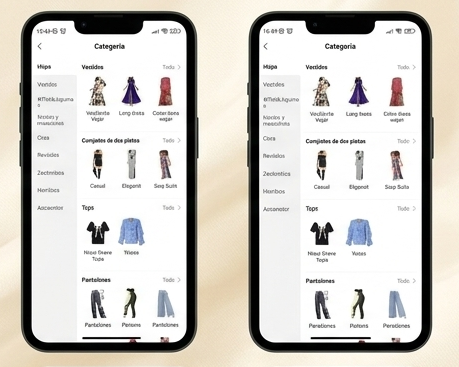
How to Use HACOO Spreadsheet for Better Product Selection
Introduction
Choosing the right products is one of the most important factors in building a successful e-commerce business. Whether you operate an online store, source products through international suppliers, or manage a dropshipping business, selecting high-quality and profitable products can directly impact your sales and customer satisfaction.
The HACOO Spreadsheet has become a valuable resource for buyers looking to simplify product research and improve sourcing decisions. Instead of spending countless hours browsing supplier websites, users can rely on a structured spreadsheet that organizes essential product information in one convenient place.
This guide explains how to use the HACOO Spreadsheet for better product selection, highlights its major advantages, and shares practical strategies for making smarter purchasing decisions.
What Is a HACOO Spreadsheet?
A HACOO Spreadsheet is an organized product database that helps buyers compare products from multiple suppliers. It brings together important sourcing information into a single document, making it easier to evaluate products before placing an order.
Depending on its purpose, a HACOO Spreadsheet may include:
Product names
Product images
Category classifications
Supplier links
Product prices
Customer ratings
Sales performance
Shipping options
Quality notes
Inventory updates
Having all this information in one location allows buyers to conduct product research more efficiently.
Why Product Selection Matters
Every product you sell represents your brand. Poor product choices often lead to customer complaints, increased return rates, and lower profits.
A thoughtful product selection process helps businesses:
Increase customer satisfaction
Improve conversion rates
Reduce refund requests
Maintain consistent product quality
Maximize profit margins
Using a structured sourcing tool like the HACOO Spreadsheet makes these goals much easier to achieve.
Benefits of Using HACOO Spreadsheet
Save Valuable Research Time
Searching for products across multiple supplier websites can consume several hours each day.
The HACOO Spreadsheet centralizes product information, allowing buyers to review multiple options within minutes instead of hours.
Compare Products More Effectively
Rather than relying on a single supplier, users can compare similar products based on factors such as:
Price
Quality ratings
Supplier reputation
Customer feedback
Shipping costs
Estimated delivery times
Side-by-side comparisons make it easier to identify the best overall value.
Discover Popular Products Faster
Successful online sellers continuously monitor market demand.
Many HACOO Spreadsheets organize products into categories like:
Trending products
Best sellers
Seasonal items
Newly added products
High-demand categories
This organization helps businesses respond quickly to changing consumer preferences.
Improve Purchasing Confidence
Making sourcing decisions based on complete information reduces uncertainty.
With pricing, supplier data, customer reviews, and logistics details available together, buyers can evaluate products more objectively before purchasing.
Step-by-Step Guide to Using HACOO Spreadsheet
Step 1: Define Your Product Category
Start by selecting a category that matches your business model.
Common categories include:
Clothing
Shoes
Electronics
Home accessories
Beauty products
Sports equipment
Kitchen supplies
Travel accessories
Focusing on one category keeps your research organized.
Step 2: Filter Products
Use spreadsheet filters to narrow your search according to your priorities.
For example, you may filter products by:
Price range
Supplier rating
Customer score
Sales volume
Shipping availability
Filtering eliminates products that don't meet your business requirements.
Step 3: Compare Supplier Information
Different suppliers often sell nearly identical products.
Compare factors such as:
Product quality
Order processing speed
Customer satisfaction
Response time
Business experience
Choosing a reliable supplier is often more valuable than choosing the lowest price.
Step 4: Review Customer Feedback
Customer reviews provide useful insights into real product performance.
Pay attention to comments regarding:
Build quality
Material durability
Color accuracy
Packaging quality
Product consistency
This information helps reduce sourcing risks.
Step 5: Evaluate Shipping Costs
Shipping expenses directly affect profitability.
Consider:
Shipping methods
Delivery speed
International shipping fees
Package dimensions
Tracking services
Always calculate the total landed cost before making purchasing decisions.
Step 6: Estimate Profit Potential
Calculate your expected profit before ordering inventory.
A simple formula is:
Estimated Selling Price − Product Cost − Shipping − Platform Fees = Expected Profit
Products with healthy profit margins deserve higher priority.
Best Practices for Better Product Selection
To get the most value from the HACOO Spreadsheet:
Update product information regularly.
Monitor supplier performance over time.
Compare several suppliers before purchasing.
Test products through sample orders.
Focus on quality alongside price.
Track customer preferences.
Remove outdated listings from your research.
A consistent sourcing process improves long-term business performance.
Common Product Selection Mistakes
Choosing Products Based Only on Price
The cheapest option isn't always the most profitable.
Poor quality often results in higher return rates and dissatisfied customers.
Ignoring Supplier History
Reliable suppliers usually demonstrate:
Stable product quality
Positive customer reviews
Consistent shipping performance
Strong communication
Research supplier history before placing large orders.
Forgetting Total Costs
Product cost represents only part of your investment.
Always include:
Shipping fees
Payment processing charges
Customs duties (if applicable)
Marketplace commissions
Understanding total costs leads to more accurate profit calculations.
Skipping Product Testing
Ordering samples allows you to verify:
Product quality
Packaging
Functionality
Material standards
Testing reduces costly sourcing mistakes.
Who Should Use HACOO Spreadsheet?
The HACOO Spreadsheet is suitable for various types of buyers, including:
Dropshipping entrepreneurs
Amazon FBA sellers
Shopify store owners
Wholesale importers
Product sourcing agents
Small businesses
Cross-border e-commerce sellers
Independent online retailers
Both beginners and experienced professionals can benefit from its structured approach to product research.
Tips for Long-Term Sourcing Success
Product selection is an ongoing process rather than a one-time task.
For sustainable growth:
Analyze market trends regularly.
Build long-term relationships with trusted suppliers.
Track the performance of previously sourced products.
Keep detailed purchasing records.
Diversify your product portfolio.
Review pricing frequently.
Continuously optimize your sourcing strategy.
Consistent improvement helps businesses remain competitive in a changing marketplace.
Conclusion
The HACOO Spreadsheet is an efficient tool for improving product selection and simplifying the sourcing process. By organizing essential information—including pricing, supplier details, customer reviews, shipping options, and product comparisons—it enables buyers to make faster, more informed decisions.
Whether you're launching a new e-commerce business or expanding an existing product catalog, using the HACOO Spreadsheet can reduce research time, minimize sourcing risks, and improve overall purchasing efficiency. A structured, data-driven approach to product selection gives online sellers a stronger foundation for long-term growth and success.